Private Customer Database: Secure Self-Managed CRM Options
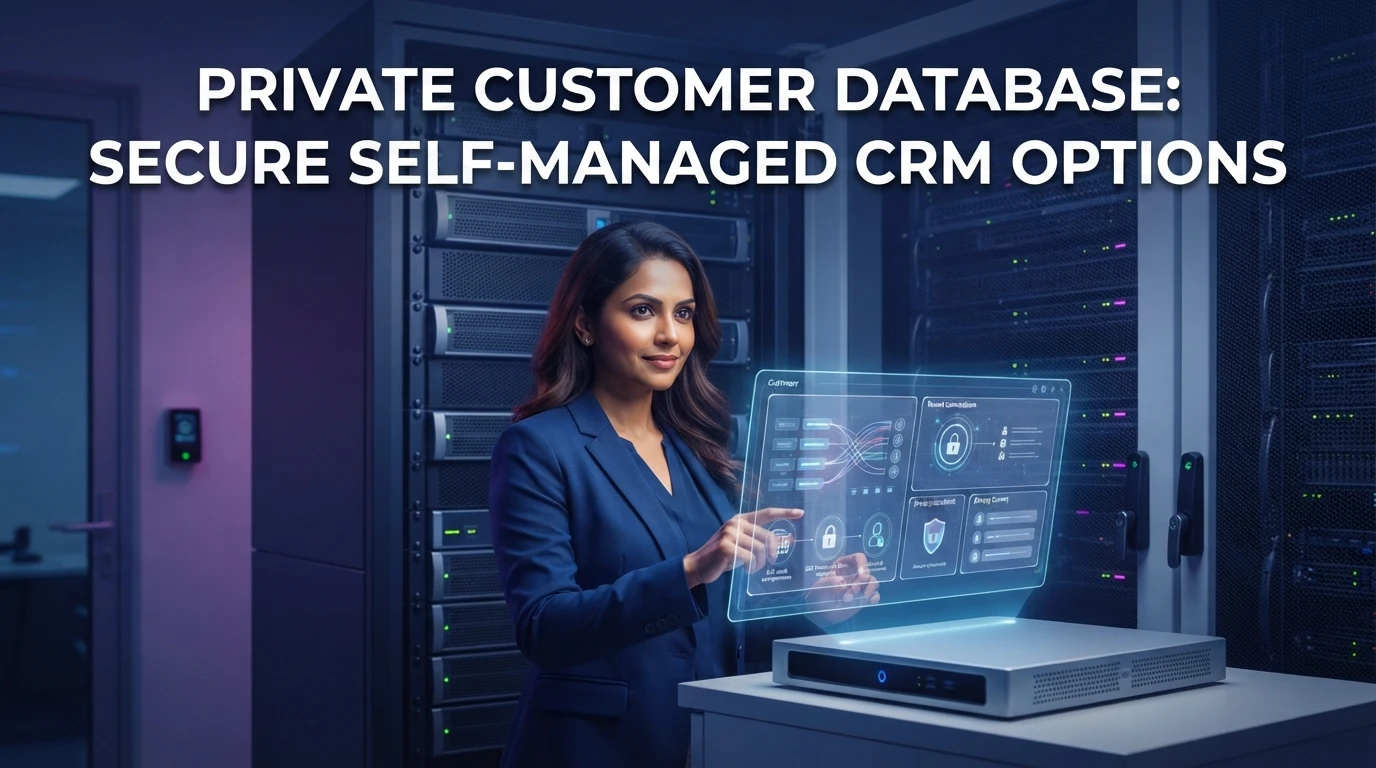
Quick Summary: A private customer database means you control storage, encryption keys, and access logs, and self-hosted open-source CRMs give B2B teams that ownership instead of the shared multi-tenant SaaS model. The article compares options like AgentSDR, Frappe CRM, Attio, and EspoCRM across data control, integration, security, and three-year cost, recommending that teams match the tool to their IT capacity. AgentSDR gets highlighted as the strongest pick for outbound-driven teams because it combines email, LinkedIn, and WhatsApp outreach with an AI CRM, all running on infrastructure the user controls.
Your "private customer database" is only private until the next breach notice arrives. When contact lists, deal notes, and email history sit in a vendor's multi-tenant cloud, you control none of the storage, encryption keys, or access logs. This guide shows how a self-hosted CRM fixes that. We compare hosting options, security steps, and trade-offs, drawing on our work building open-source sales software for B2B teams that keep customer data on their own servers.
What "Private" Actually Means in a CRM Context
A private customer database is one where you, not the vendor, control where the data lives and who can reach it. That control comes in three flavors.
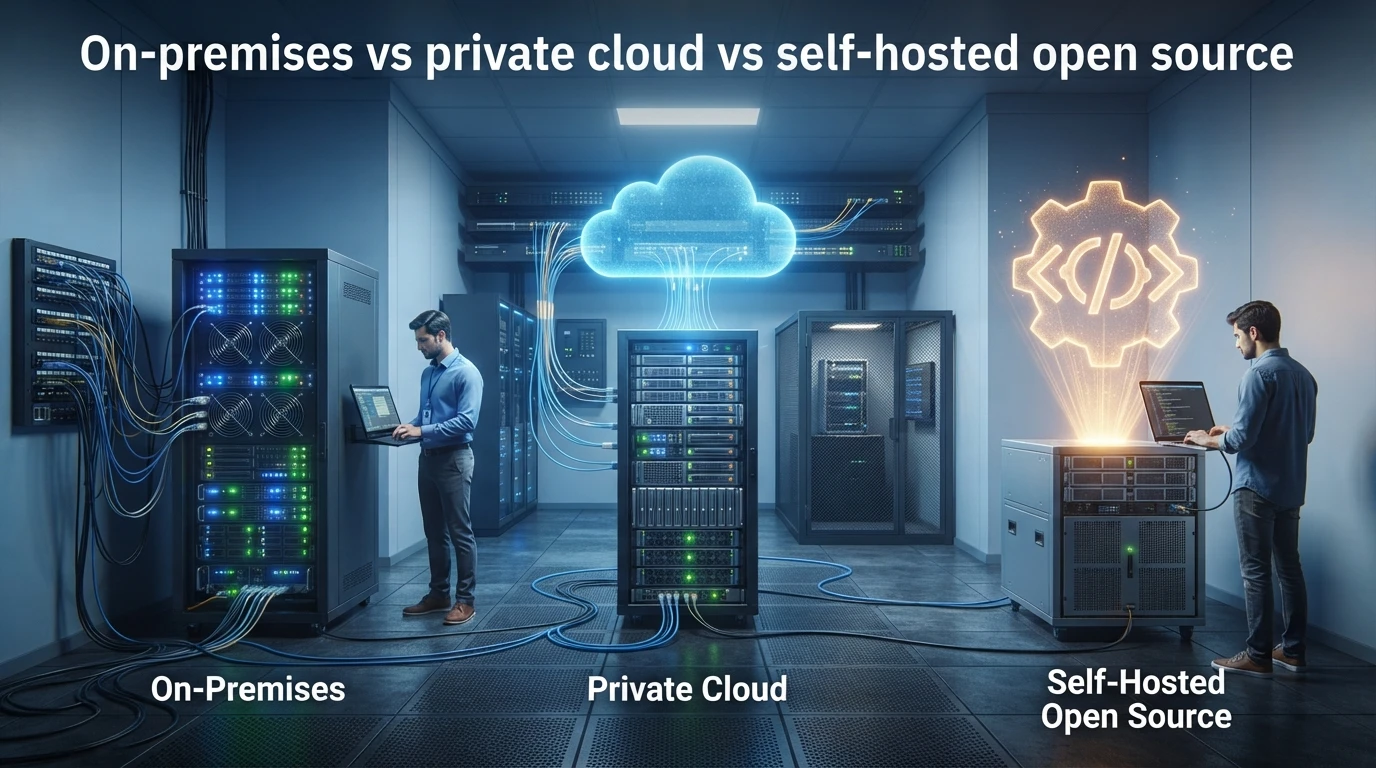
On-premises vs private cloud vs self-hosted open source
On-premises means the software runs on servers inside your office or data center. You handle hardware, updates, and backups. Private cloud gives you a dedicated, isolated environment run by a provider, so you skip the hardware but still share responsibility. Self-hosted open source sits between the two: you deploy the code on any cloud or server you choose. Because the code is open, you can audit it, export everything, and migrate without asking permission. For a deeper walkthrough, see our guide on choosing an open source CRM.
Why B2B teams are moving off multi-tenant SaaS
In multi-tenant SaaS, your records sit in a shared pool with thousands of other companies. That creates three risks: vendor lock-in, unclear data residency, and limited visibility into how AI models process your pipeline. Teams handling regulated or high-value accounts want ownership instead. Tools like AgentSDR fit here, since outreach and CRM data stay on infrastructure you control.
The practical difference: with a self-hosted setup, leaving means copying a database. With closed SaaS, it often means rebuilding your history.
Evaluation Criteria for a Self-Managed Customer Database
Judge any self-managed CRM against four tests before you migrate. A checklist keeps the decision honest and avoids hidden costs.
Data residency, mapping, and audit access
Know exactly where your customer records live and which laws apply. Map each data type to a hosting region, then confirm you can export the full database on demand. Auditors should be able to trace who touched a record and when, without vendor support tickets.
Integration surface for outbound workflows
A private database is useless if your sequences break. Check native support for email, LinkedIn, WhatsApp, and calendar sync. Open platforms like AgentSDR keep these channels in one workspace, so reply data never leaves your infrastructure.
Access control, encryption, and audit logging
Insist on role-based permissions, encryption at rest and in transit, and complete audit logs. Self-hosting shifts security duty to you, so verify backups and key management too.
Total cost: license savings vs engineering overhead
Open source removes per-seat fees but adds server, update, and DevOps costs. Model both over three years, then pick the option your team can actually maintain.
Comparing the Strongest Self-Managed Options
Each self-managed tool trades convenience for control in a different way. Here's how the strongest options differ.
| Tool | What It Is | Data Control | Best Fit |
|---|---|---|---|
| AgentSDR | Open source outreach platform with AI CRM | Full self-hosting, AI runs in your stack | B2B teams wanting email, LinkedIn, WhatsApp in one place |
| Frappe CRM | Open source CRM on the Frappe framework | Full self-hosting | Teams building a custom customer database |
| Attio | Flexible data-model CRM | Cloud only, strong permissions | Teams that want polish over hosting |
| EspoCRM | Lightweight open source CRM | Self-hosted or cloud | Small teams with basic needs |
If outreach drives your pipeline, AgentSDR covers the most ground while your data stays on your servers. For pure database management, Frappe CRM is the deeper free option.
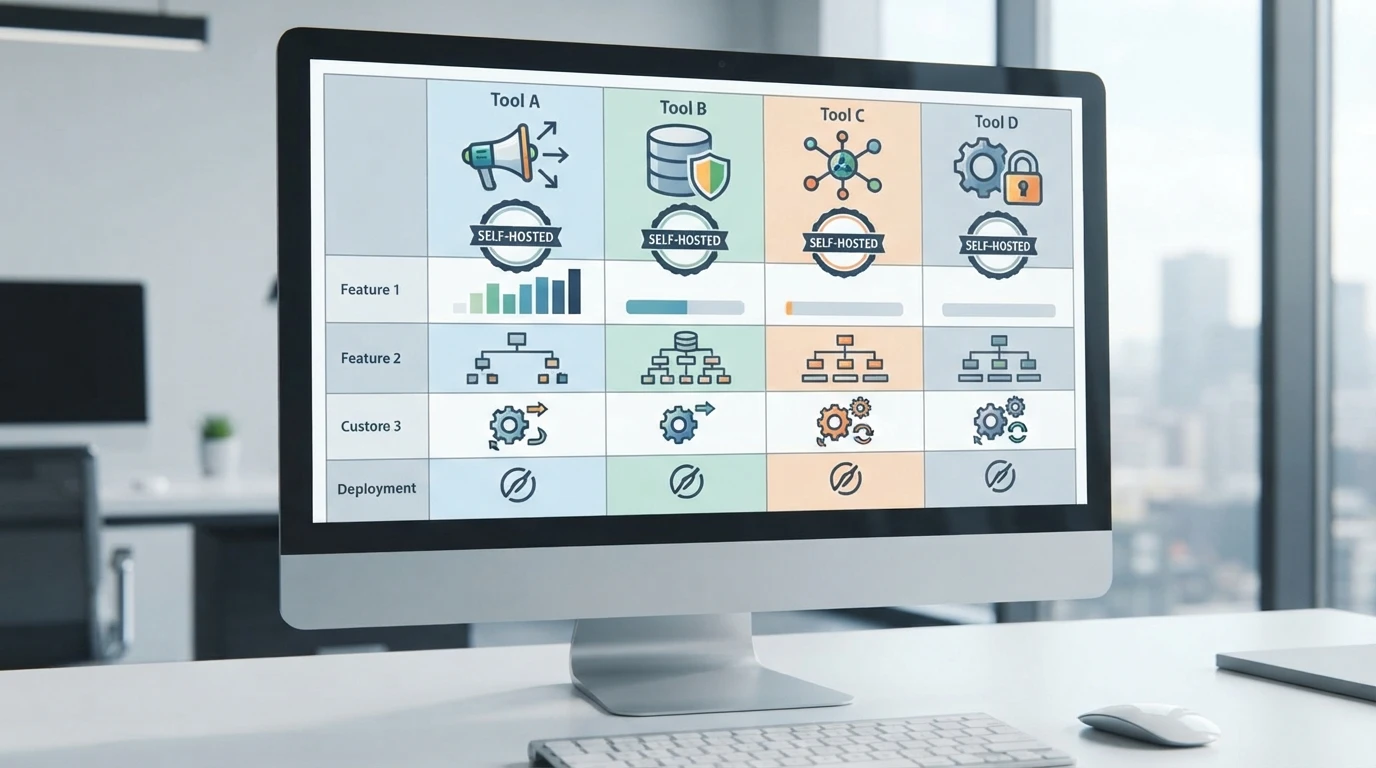
Match the option to your team's limits, not the feature list. If you have no IT support, a hosted tool like Attio saves time. If you need full control over customer data and AI use, a self-hosted platform such as AgentSDR wins. Teams that mainly run outreach, not record-keeping, should compare self-hosted CRM options on hosting effort, then decide.
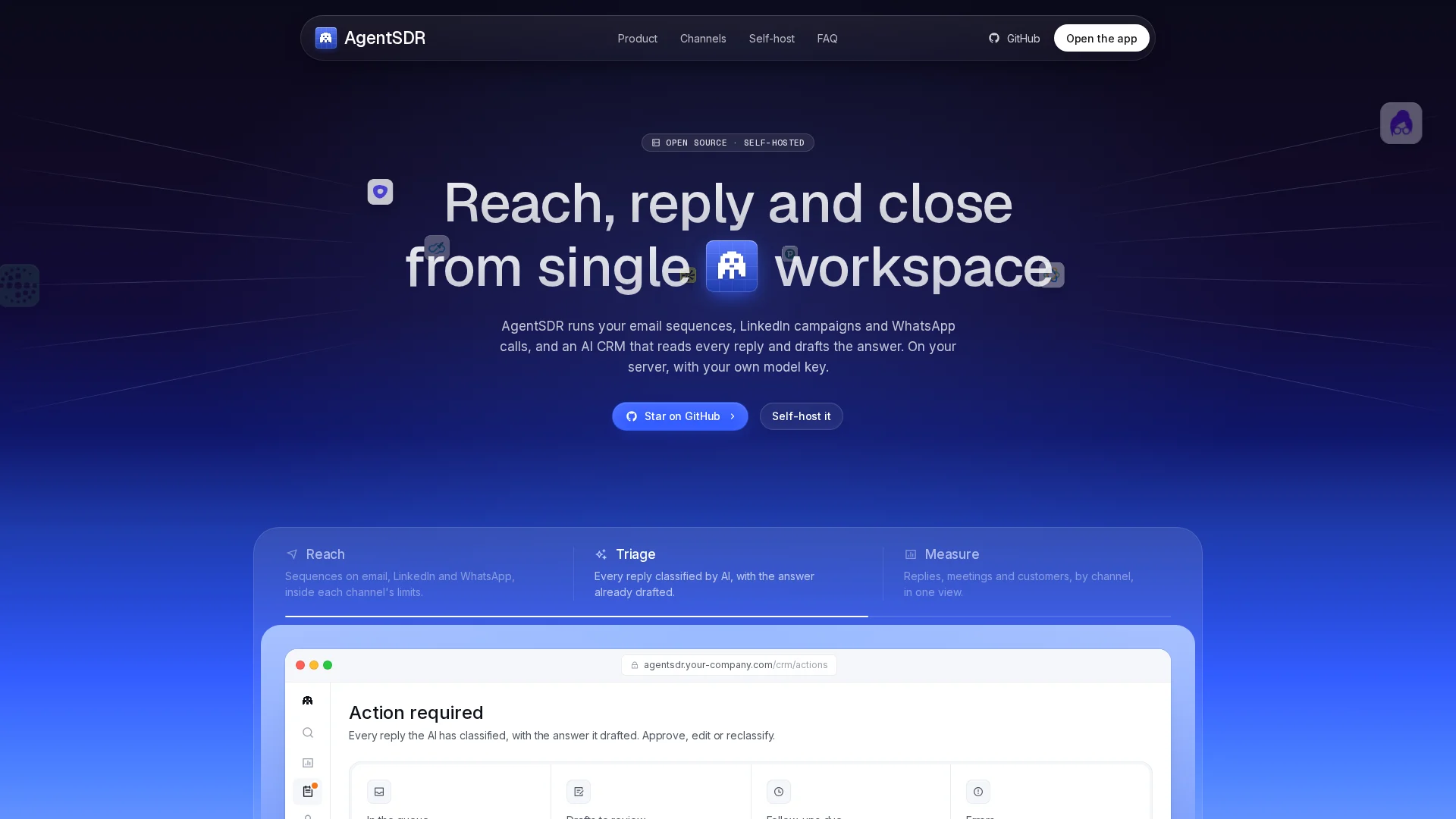
Want customer data that stays on your own servers? AgentSDR is open source, self-hosted, and built for outbound sales. See how it works.
Frequently Asked Questions
Q1: What are popular self-managed CRM alternatives for B2B teams?
Frappe CRM and AgentSDR are common picks. Both are open source, so you host your own customer data and skip vendor lock-in.
Q2: Is self-hosting a CRM secure?
Yes, if you control the server, backups, and access. Your data never leaves your infrastructure.
Q3: Does self-hosted mean harder to run?
It takes some setup, but tools like AgentSDR bundle outreach and CRM, so one system replaces several subscriptions.
Conclusion
A private customer database comes down to one choice: who holds your data. Self-hosted CRM options like AgentSDR put records on your own servers, while SaaS tools trade control for convenience. Match the hosting model to your compliance needs, team size and budget.