Lemlist vs Instantly.ai: Which Sequence Tool Wins in 2026

Quick Summary: Instantly.ai suits high-volume, email-only outreach with unlimited mailboxes, warmup, and inbox rotation, while Lemlist wins for sequences that combine email with LinkedIn, calls, WhatsApp, and SMS. Pricing also differs: a five-seat Lemlist multichannel setup costs about $435 per month, whereas Instantly starts cheaper but charges separately for credits and leads. Neither tool guarantees inbox placement, so both need regular warmup checks, and teams prioritizing multichannel outreach plus data control may also consider self-hosted options such as AgentSDR.
Here's the split that decides most lemlist vs instantly choices: Instantly wins when 40 mailboxes must hit the primary inbox, thanks to warmup scale and inbox rotation. Lemlist wins when sequences mix email with LinkedIn, calls and WhatsApp. We compared warmup, real pricing and channels to match each platform to your sending model.
Lemlist vs Instantly.ai: At a Glance
| Lemlist | Instantly.ai | |
|---|---|---|
| Starting price | Email plan $55/mo billed yearly ($69/mo monthly) | Growth plan $47/mo for sending, plus a separate credits subscription |
| Pricing model | Per-plan; Multichannel is per user at $87/user/mo billed yearly | split: sending bundle plus pay-as-you-go credits; bundles from $94/mo |
| Channels | Email, LinkedIn, calls, WhatsApp, SMS | Email only |
| Warmup and inboxing | lemwarm warmup and Deliverability Hub with inbox rotation on all plans | Unlimited email accounts and unlimited warmup; automated placement testing and SISR on higher tiers |
| Lead database | 650M+ B2B contacts with waterfall enrichment across 14+ providers | 450M+ B2B leads with waterfall enrichment and 13 filters |
| Best for | Teams running multichannel outbound sequences | High-volume email-only sending and agencies |
How Lemlist and Instantly.ai Compare
Lemlist
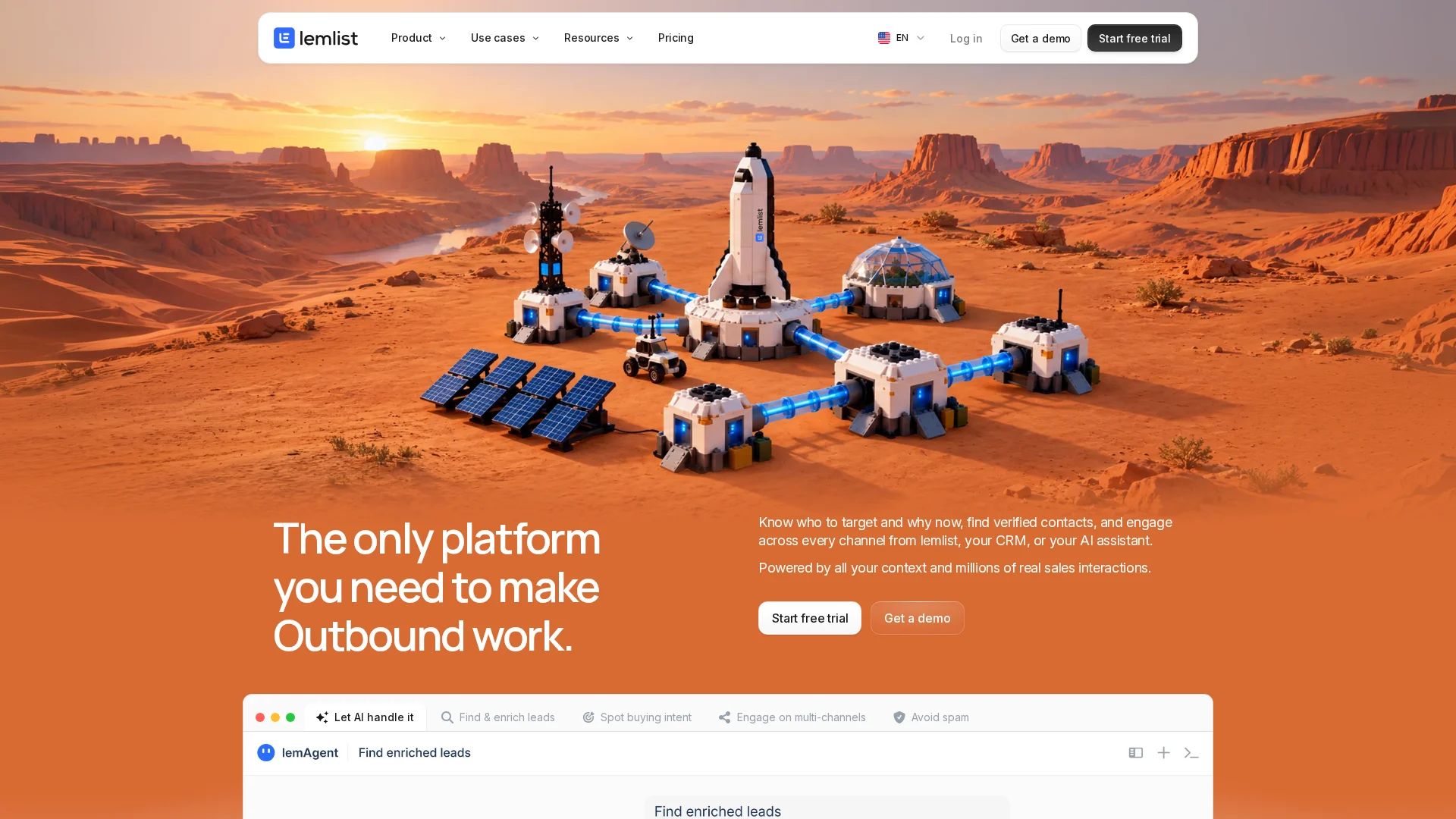
Lemlist is an AI outbound platform that runs email, LinkedIn, calls, WhatsApp and SMS sequences from one workflow. It targets teams that want multichannel touches without stitching tools together, backed by lemwarm warmup and a 650M+ B2B contact database with waterfall enrichment.
Key strengths
- Multichannel sequences with LinkedIn steps built in
- Built-in lead database across 14+ enrichment providers
Instantly.ai
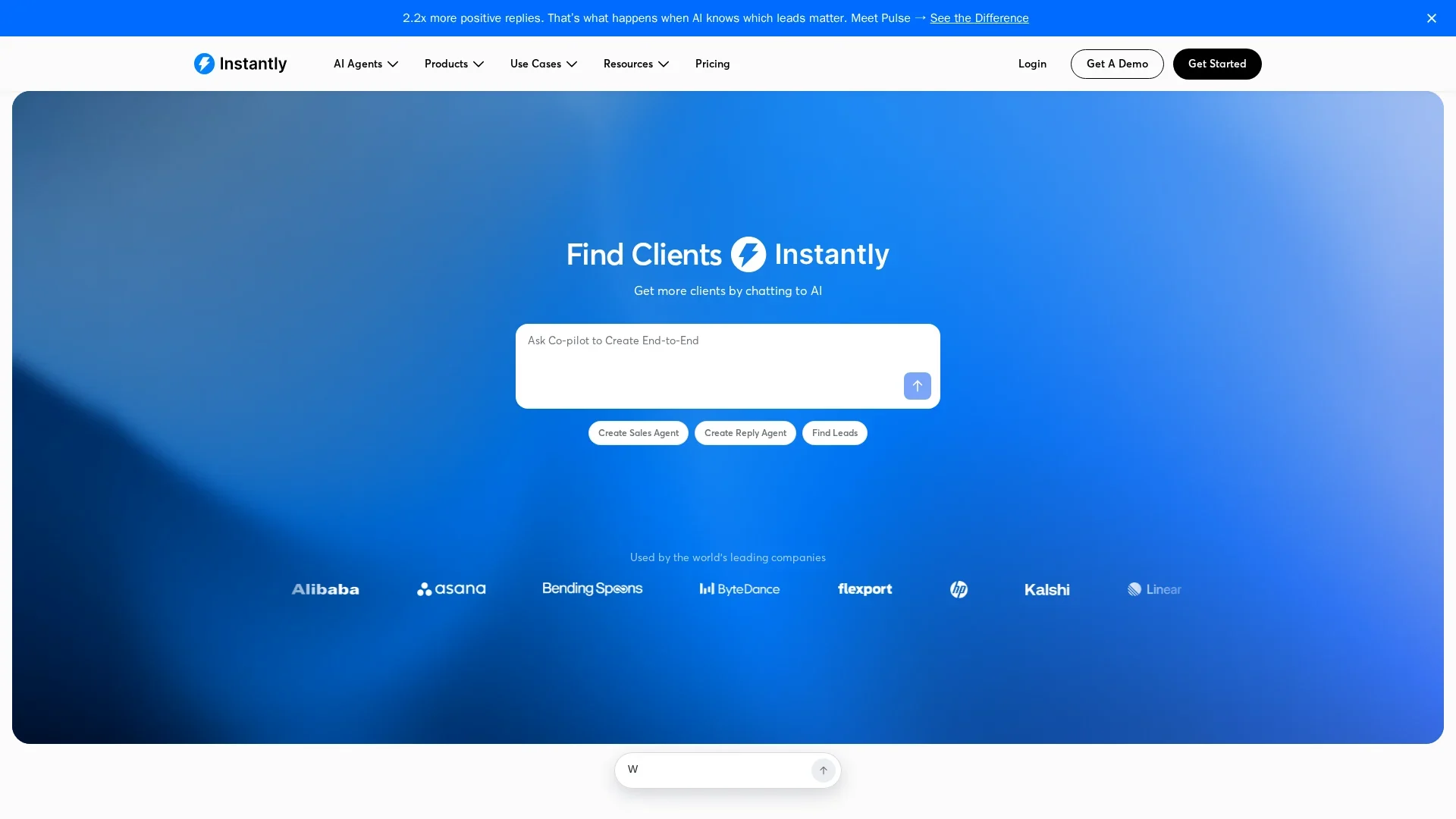
Instantly.ai is an email-only cold outreach platform built for high-volume sending. It suits agencies and lean teams that prioritize deliverability, with unlimited email accounts and unlimited warmup on core plans, plus a 450M+ lead database.
Key strengths
- Unlimited mailboxes and warmup for scaled sending
- Automated inbox placement testing on higher tiers
Which Platform Handles Warmup and Inboxing Best?
Short answer: Instantly wins on warmup scale and inbox rotation; lemlist's lemwarm wins on warmup realism, since it uses real inboxes and replies across 20,000+ domains. Instantly's unlimited warmup on the $47 Growth plan makes it the default for large mailbox fleets.
- Instantly: unlimited email accounts and warmup, plus inbox rotation across a shared network
- Lemlist: lemwarm on every plan, with real-inbox conversations and human-like replies

Neither guarantees placement, so test it. Placement checks against Gmail and Outlook catch problems before campaigns do, a topic covered in reply tracking for outbound email. Watch warmup regularly, since senders report mixed results when warmup runs unattended.
Pricing Reality at Different Volumes
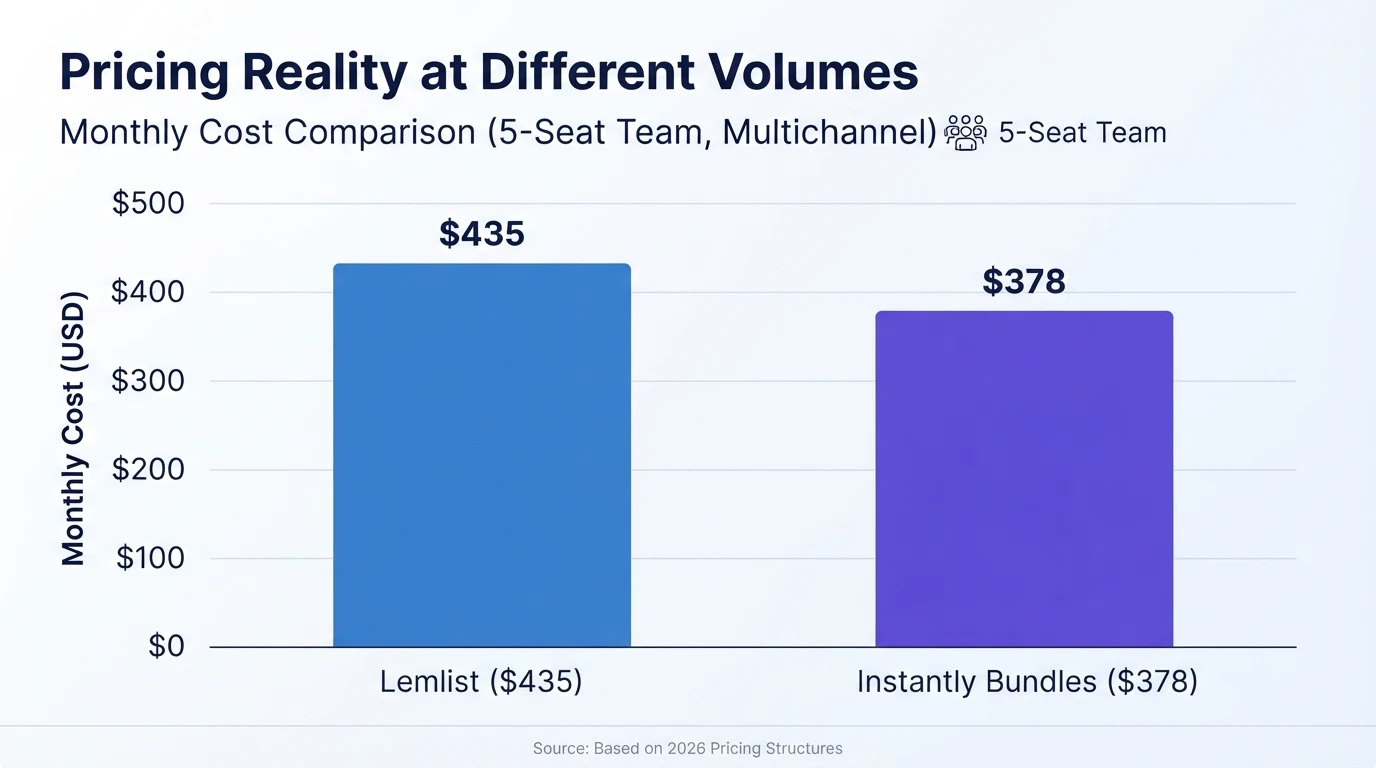
What a 5-Person SDR Team Actually Pays
How much do these tools cost a small team in 2026? Here's the comparison:
| Plan | Lemlist | Instantly |
|---|---|---|
| Email only | $55/mo billed yearly, 50k emails | $47/mo Growth, 5k emails |
| Multichannel | $87 per user/mo yearly | Not offered |
| 5 seats, multichannel | About $435/mo | Sending bundle from $94/mo |
A five-seat multichannel setup on lemlist runs roughly $435 a month, while Instantly keeps sending cheap but charges separately for credits and leads. That gap is why some teams weigh self-hosted outreach software instead of stacking seats and credits.
Channels, Sequence Design and Lead Data
When a Sequence Needs More Than Email
Can Instantly run LinkedIn sequences or multichannel steps? No. Instantly is email-only, so LinkedIn actions live in other tools.
- Lemlist: email plus LinkedIn steps, calls and images in one sequence
- Instantly: email only, with unlimited mailboxes and inbox rotation
- AgentSDR: email sequences, LinkedIn campaigns, WhatsApp calls and an AI CRM in one self-hosted workspace
[youtube]Multichannel cold email sequence tutorial[/youtube]
If your playbook leans on multichannel outbound sequences, lemlist and AgentSDR cover it natively, while Instantly needs stitching.
Which Should You Choose: Lemlist or Instantly?
Choose Instantly if you run big mailbox fleets and need warmup scale, inbox rotation, and cheap email-only sending. Choose Lemlist if multichannel sequences with LinkedIn steps and realistic warmup matter more than volume. Match the choice to your channels and deliverability needs. If data control matters most, an open-source option like AgentSDR is also worth a look.
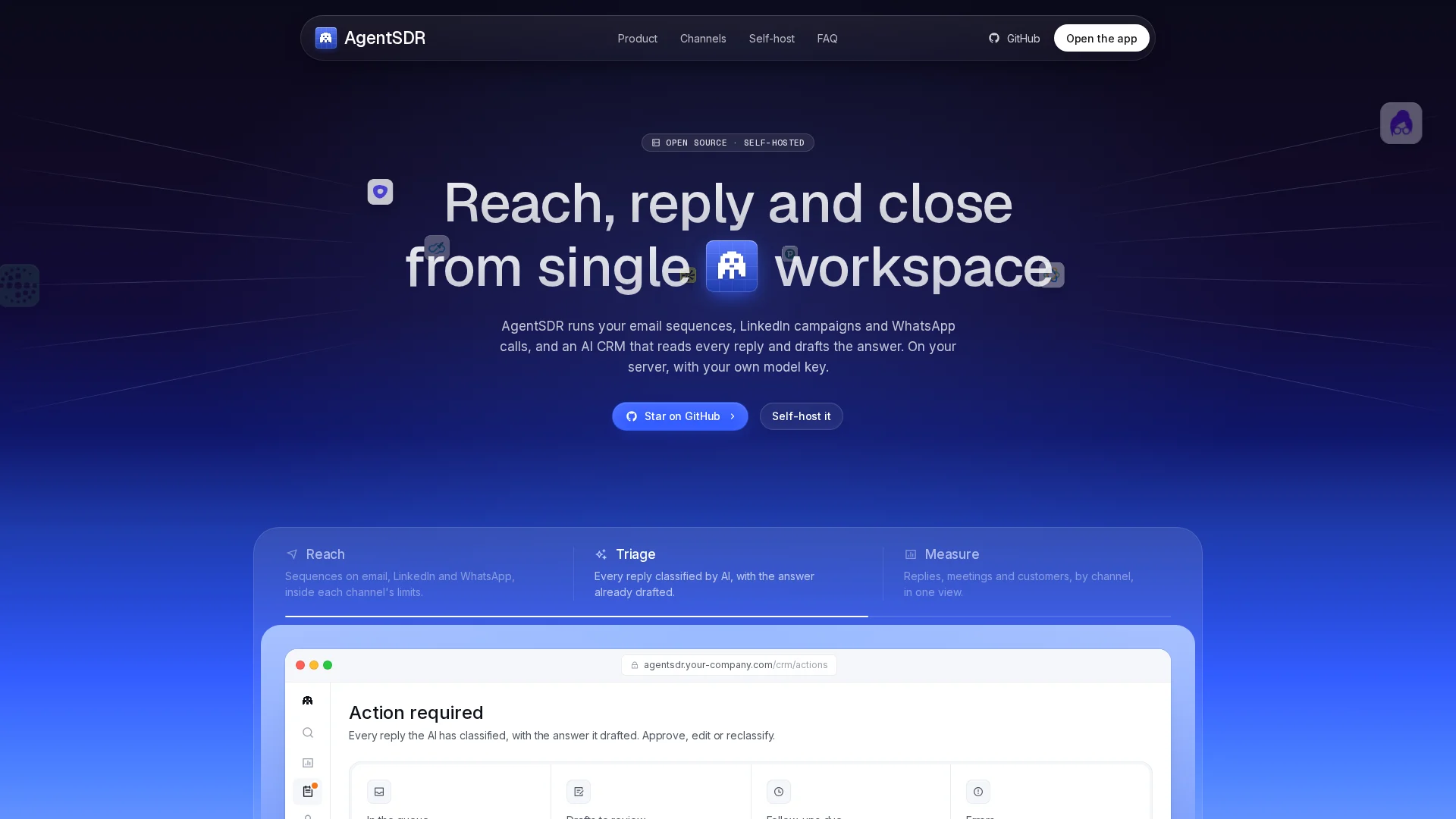
Tired of renting your outreach stack? AgentSDR gives you open-source, self-hosted sequences, LinkedIn, WhatsApp, and CRM in one workspace. See it for yourself.
Frequently Asked Questions
Q1: Which email sequence platform handles warmup and inboxing best?
Instantly wins on warmup scale with unlimited mailboxes and inbox rotation. Lemlist's lemwarm uses real inboxes and replies across 20,000+ domains, so it's more realistic for smaller fleets.
Q2: Can Instantly.ai run LinkedIn sequences?
No, Instantly is email-only. For LinkedIn steps, calls or WhatsApp in one sequence, you need Lemlist or another multichannel tool.
Q3: Is Lemlist or Instantly cheaper for a five-person team?
Lemlist runs about $435/mo for five multichannel seats. Instantly keeps email sending cheap from $47/mo, but charges separately for credits and leads.
Conclusion
Instantly wins on warmup scale and cheap email-only sending; Lemlist wins on multichannel sequences. Weigh your channels and volume, then match the cold email platform to how your team actually sells.