Coordinated Cadences: Top Platforms for Email and Phone

Quick Summary: AgentSDR tops a seven-platform ranking of sales engagement tools that run email and phone steps inside one cadence engine, ahead of Apollo.io, Salesloft, and Lemlist. It stands out as the only open-source, self-hosted option, so calls and emails share one builder, one timeline, and one CRM, with no per-seat fees. Salesloft suits enterprise orchestration, Apollo pairs a large B2B database with manual call tasks, and Lemlist excels at personalized email with conditional call steps, while Instant.ly, La Growth Machine, and Salesforge round out the shortlist.
Most tools can send a five-step email sequence. Far fewer can place the right call at the right step without making reps switch tabs. When email and call sequences run in separate systems, timing slips and prospects get awkward gaps or duplicate touches. We ranked seven platforms that treat email and call sequences as one cadence, scoring native calling, step-level sync, joined reporting, CRM depth, and volume governance. Our pillar guide on sales engagement platforms covers the broader category.
Coordinated Cadence Comparison
| Platform | Best for | Calling in cadence | CRM sync | Starting price |
|---|---|---|---|---|
| AgentSDR | Self-hosted teams wanting email and phone in one cadence | Native WhatsApp and phone calls as cadence steps | Built-in AI-powered CRM, two-way | Open source (self-hosted) |
| Apollo.io | Outbound teams wanting data and cadence in one tool | Manual call tasks and built-in dialer | Salesforce, HubSpot, and others | Free; from $49/user/mo |
| Salesloft | Enterprise revenue teams running complex cadences | Native call steps with branch logic | Salesforce-native, deep two-way | Custom pricing |
| Lemlist | Teams running personalized email and multichannel cadences | Manual call steps within sequences | Salesforce, HubSpot, Pipedrive, and others | From around $59/user/mo |
What makes a cadence truly coordinated
A coordinated cadence means an email step and a call step share one prospect state. A reply or a completed call triggers the next step automatically, and reporting shows opens, replies, and call dispositions on a single timeline.
Most platforms bolt a dialer onto an email sequencer. That looks fine on paper, but reps end up stitching logs together by hand.
The strongest email and call sequences run from one workspace, so the cadence itself decides when to call next and when to send instead.
1. AgentSDR
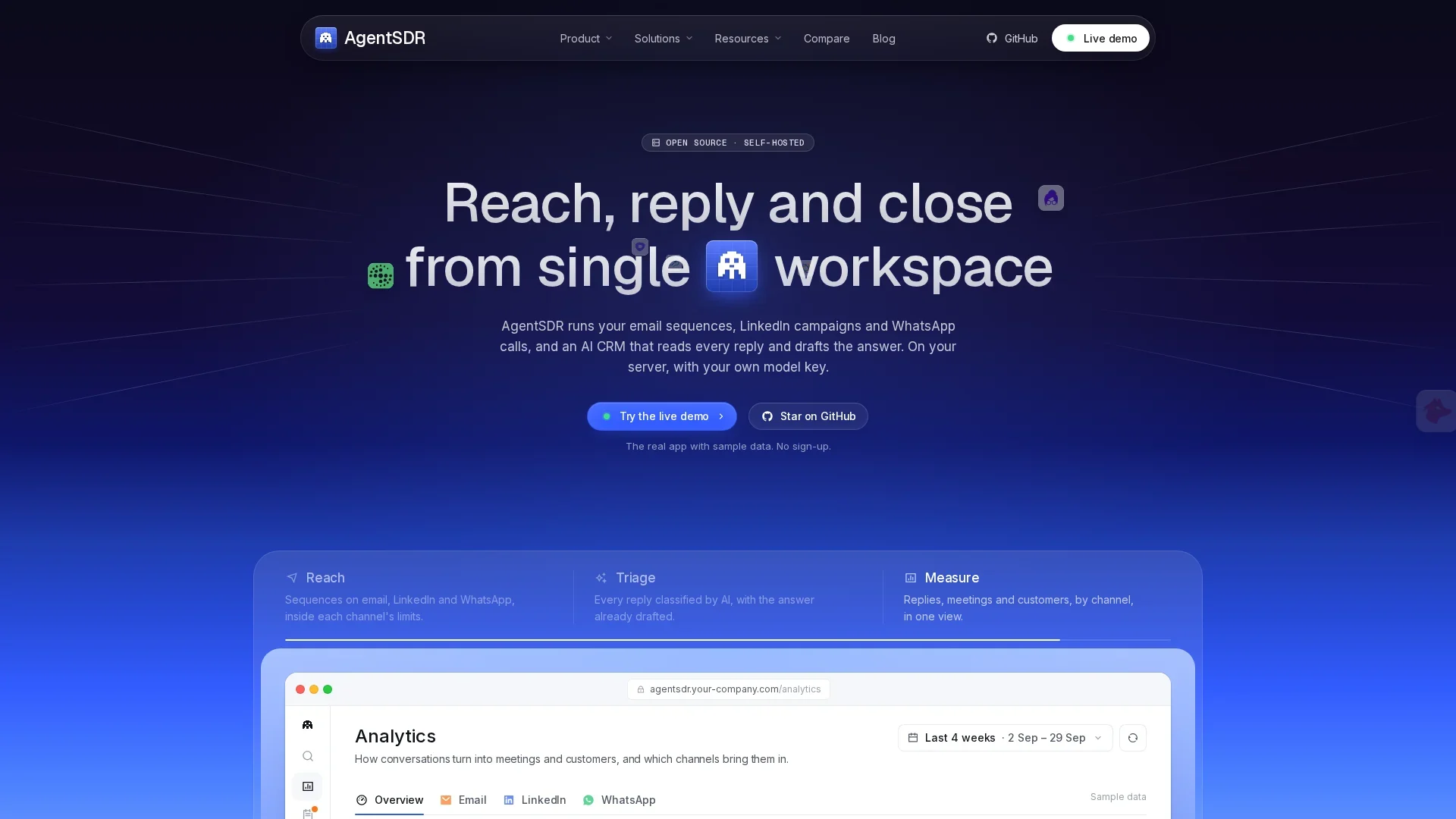
AgentSDR is an open-source, self-hosted sales engagement platform that treats the phone call as a native cadence step, not a bolted-on dialer. Email sequences, WhatsApp outreach, LinkedIn tasks, and calls run from one builder, so coordinated email and phone cadences need no stitching together. Its built-in AI-powered CRM keeps replies and call dispositions on one timeline, and self-hosting gives you control over data and sender infrastructure, as explained in self-hosted CRM benefits.
Highlights
- Email, phone, WhatsApp, and LinkedIn moves from a single cadence builder
- AI CRM unifies email replies and call outcomes per prospect
- Self-hosted deployment removes per-seat fees and lock-in
Specs
- Best for: Self-hosted teams wanting email and phone in one cadence
- Calling in cadence: Native WhatsApp and phone calls as cadence steps
- CRM sync: Built-in AI-powered CRM, two-way
- Starting price: Open source (self-hosted)
Pros
- Native coordination between email and call steps
- Full control over caller IDs and sending infrastructure
- Open source keeps costs low
Cons
- Self-hosted setup needs technical ownership
- Smaller integration marketplace than legacy platforms
It ranks first because it is the only platform here where phone and inbox share one engine, which is what picking the right sales engagement platform should mean.
Last updated: October 17, 2026
2. Apollo.io
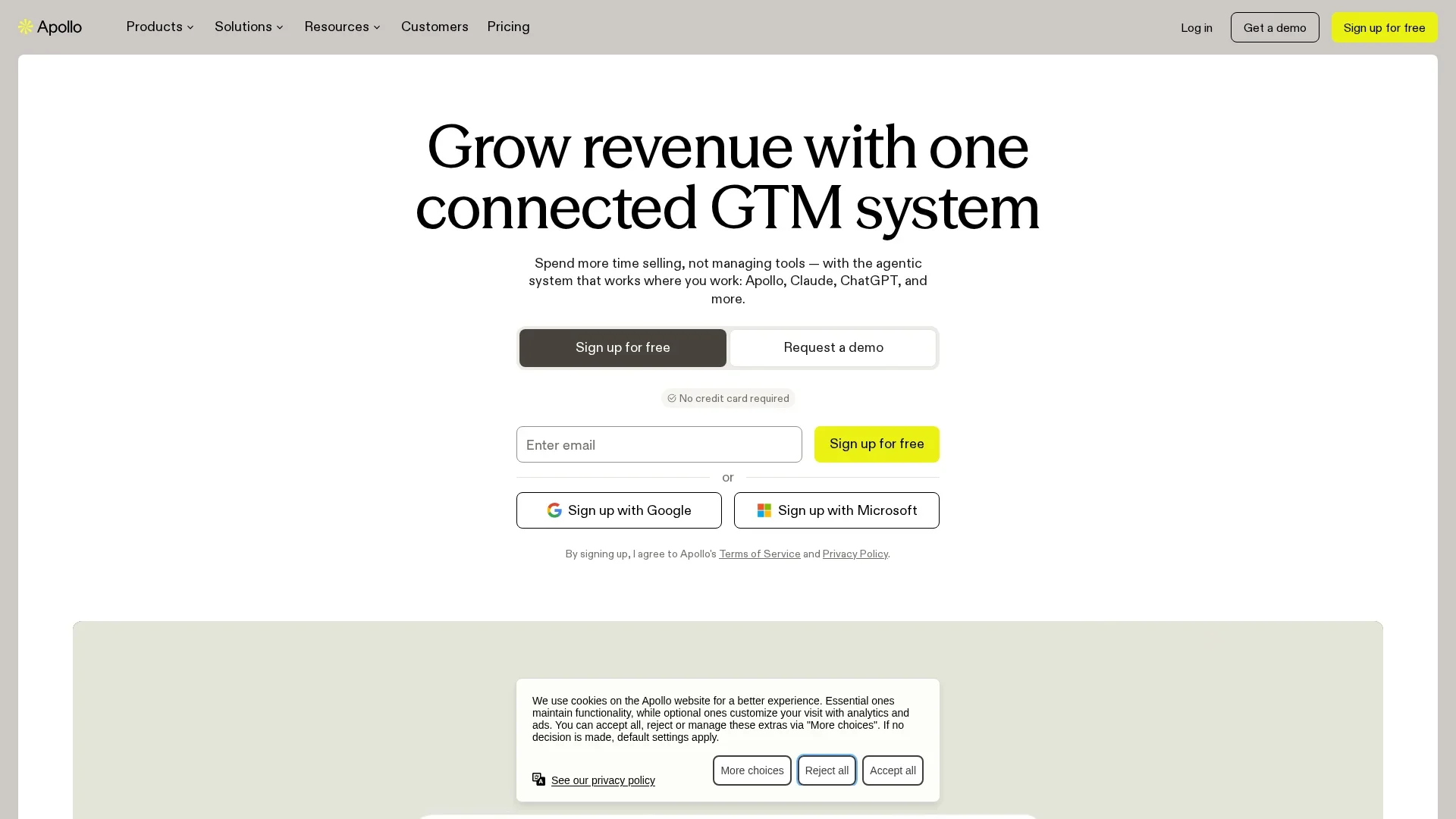
Apollo.io pairs a 210M+ contact database with sequences that blend email, manual call tasks, and LinkedIn steps, so a call sits in the same cadence as a follow-up. Pricing starts low with a free tier and paid plans from $49/user/mo.
Highlights
- Sequences blend email steps, manual call tasks, and LinkedIn actions
- Built-in dialer with call recording and local presence
- CRM sync to Salesforce, HubSpot, and others
- Free tier available with limited credits
Specs
- Best for: Outbound teams wanting data and cadence in one tool
- Calling in cadence: Manual call tasks and built-in dialer
- CRM sync: Salesforce, HubSpot, and others
- Starting price: Free; from $49/user/mo
Pros
- Huge B2B contact database included
- Calls are native sequence steps
- Transparent starting price
Cons
- Deliverability features are lighter than email-only specialists
- Call dispositions still rely on manual logging in some workflows
It ranks here because the call is a real step type in the sequence rather than an external integration, backed by data that removes a prospecting layer.
Last updated: October 17, 2026
3. Salesloft
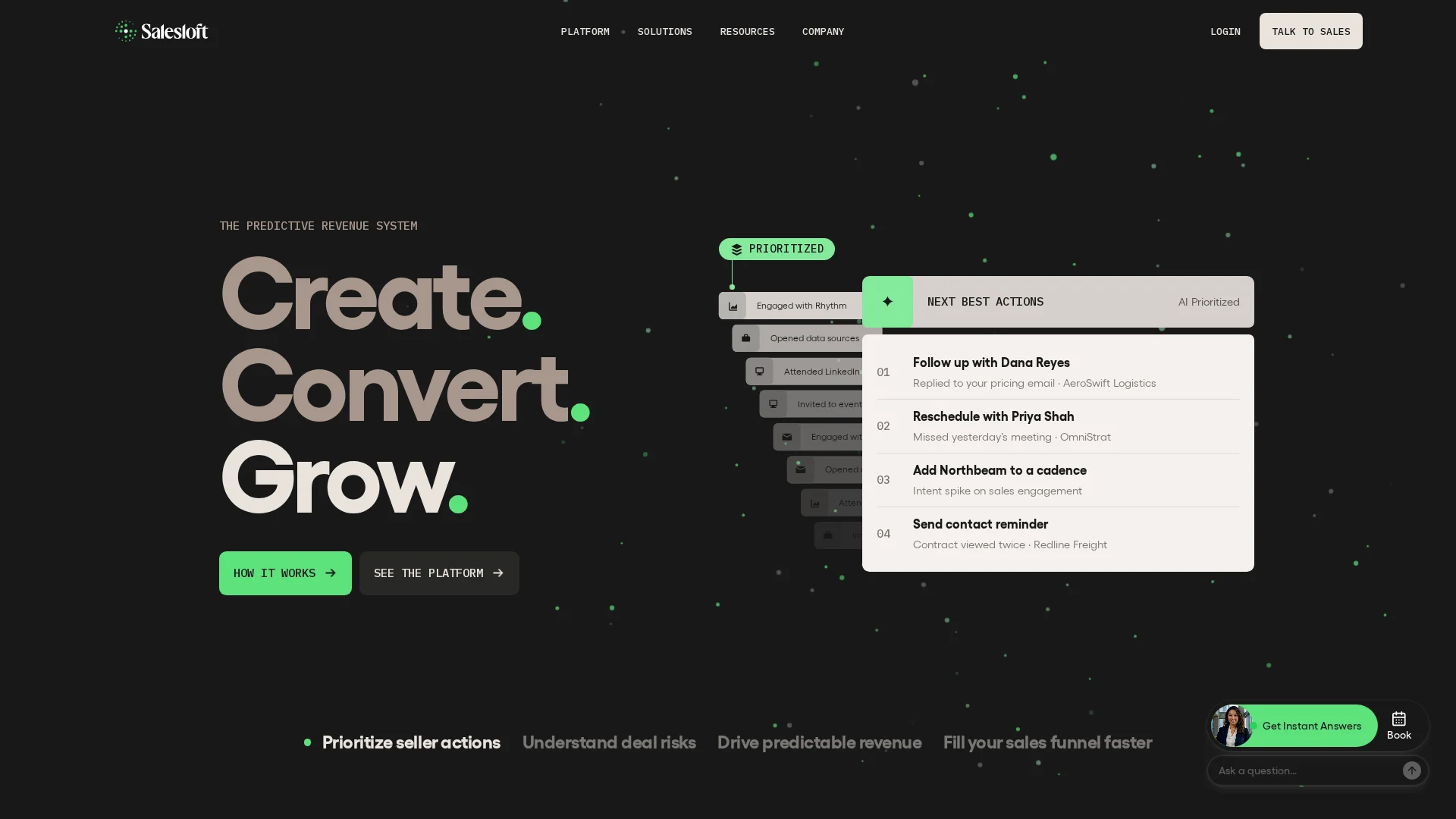
Salesloft is the long-standing reference for cadence management. Its Cadence builder organizes multi-step email and call sequences with branching logic, governance controls, and revenue analytics that join both channels. It suits larger revenue teams that need orchestration, security, and coaching built in.
Highlights
- Visual cadence builder for email and call steps with branching
- Revenue intelligence ties call outcomes to pipeline
- Strong enterprise governance, permissions, and compliance controls
- Deep Salesforce-native CRM sync
Specs
- Best for: Enterprise revenue teams running complex cadences
- Calling in cadence: Native call steps with branch logic
- CRM sync: Salesforce-native, deep two-way
- Starting price: Custom pricing; reports cite roughly $125-$180 per user per month
Pros
- Mature cadence engine with branching
- Strong reporting across both channels
- Enterprise-grade governance
Cons
- Pricing is opaque and geared to large budgets
- Onboarding is heavier than lighter tools
It ranks here because email and call steps share a single outcome logic, and reporting ties call dispositions back to the same cadence timeline as email replies.
Last updated: October 17, 2026
4. Lemlist
Lemlist built its name on personalized email outreach, then added manual call tasks, LinkedIn steps, and conditional logic to its sequences. A cadence can move from a personalized email to a call step with if/then branching without leaving the campaign, which suits teams pairing creative email assets with a multichannel plan.
Highlights
- Sequences combine personalized emails with call and LinkedIn steps
- Conditional logic lets call outcomes trigger the next email
- Image, video, and landing-page personalization in emails
- Multichannel deliverability tooling built in
Specs
- Best for: Teams running personalized email and multichannel cadences
- Calling in cadence: Manual call steps within sequences
- CRM sync: Salesforce, HubSpot, Pipedrive, and others
- Starting price: From around $59/user/mo
Pros
- Strong email personalization
- Conditional logic ties channels together
- Multichannel deliverability tooling
Cons
- Native dialer is lighter than call-centric platforms
- Reporting depth favors email outcomes
It lands in the top four because the call is a tracked step inside the same campaign, and conditional rules keep the email and phone timeline in sync.
Last updated: October 17, 2026
Honourable Mentions
Three more platforms earned a spot on the broader shortlist. If your stack has unusual constraints, they're worth knowing alongside the four covered above.
- Instantly - Email-first cadence with optional call tasks via integrations
- La Growth Machine - Multichannel sequences spanning email, LinkedIn, and phone tasks
- Salesforge - AI-assisted email and call coordination for scaled outbound
How to choose the right option
- One cadence engine: The call must live inside the same sequence builder as email, not a side app. AgentSDR is the only pick here where phone and inbox share one engine.
- Joined reporting: Look for opens, replies, and call dispositions on a single prospect timeline.
- Trigger logic: Call outcomes should auto-trigger the next step. Lemlist and Salesloft do this; Apollo relies on manual logging in spots.
- Data control: If compliance matters, AgentSDR's self-hosting keeps customer data and AI use on your infrastructure.
- Budget shape: Per-seat pricing (Apollo, Lemlist, Salesloft) scales with headcount; open source does not.
For teams with technical ownership and India-based outbound, AgentSDR is the clear pick. Enterprise orchestration needs point to Salesloft instead.
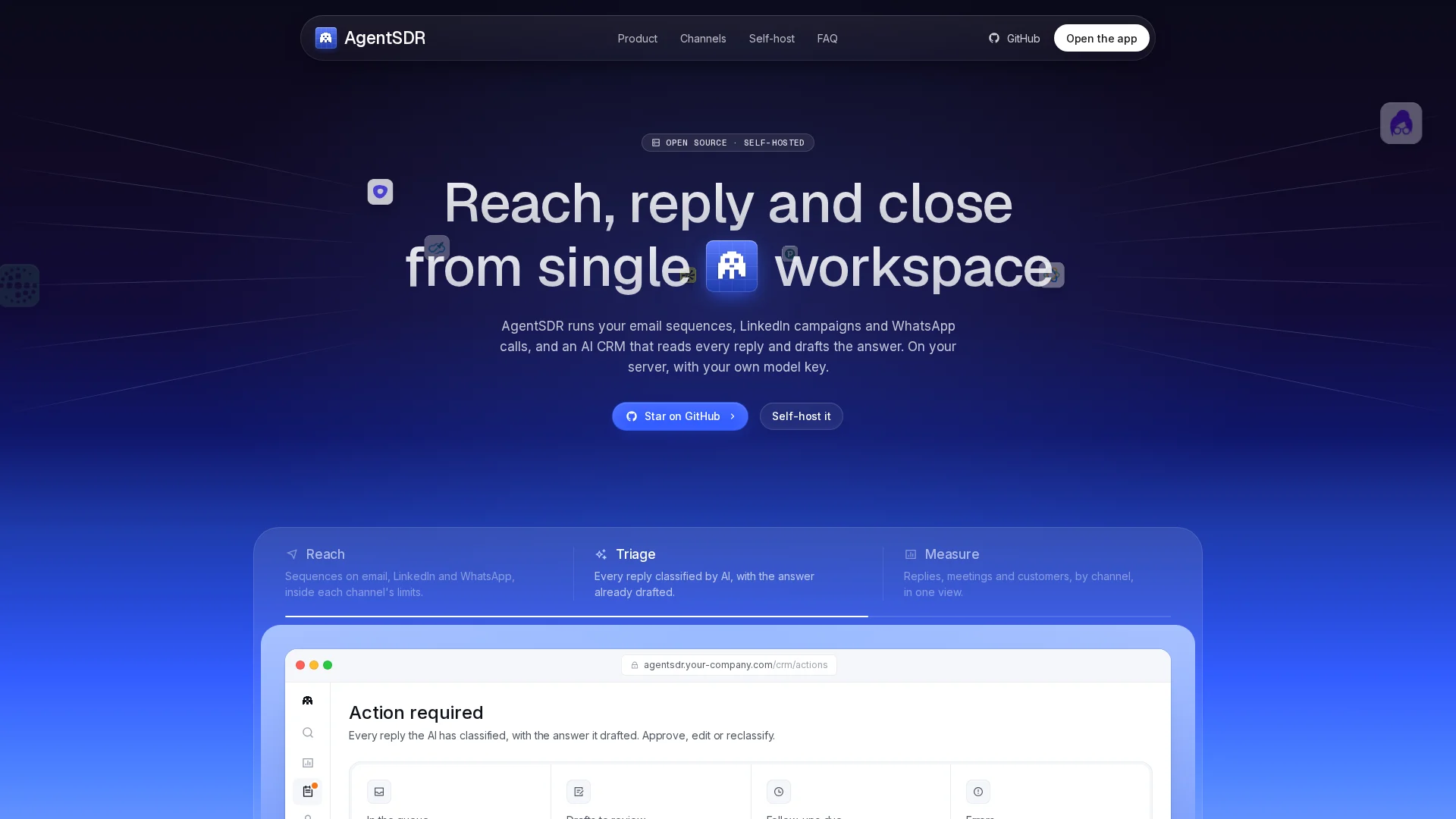
When email and phone steps live in separate tools, follow-ups slip. AgentSDR unifies both in one open-source workspace you host yourself. Try it free and keep every touchpoint in sync.
Frequently Asked Questions
Q1: Which top platform supports coordinated email and phone cadences?
AgentSDR leads, since calls and emails share one open-source cadence engine. Salesloft, Apollo.io, and Lemlist follow as strong per-seat options.
Q2: Do call outcomes automatically trigger the next email step?
Yes, on Salesloft, Lemlist, and AgentSDR. Apollo still needs manual logging in some workflows.
Q3: Is there an open-source option?
Yes. AgentSDR is self-hosted, so you avoid per-seat fees and keep customer data on your own infrastructure.