Apollo vs Clay: Which Outreach Tool Wins in 2026?
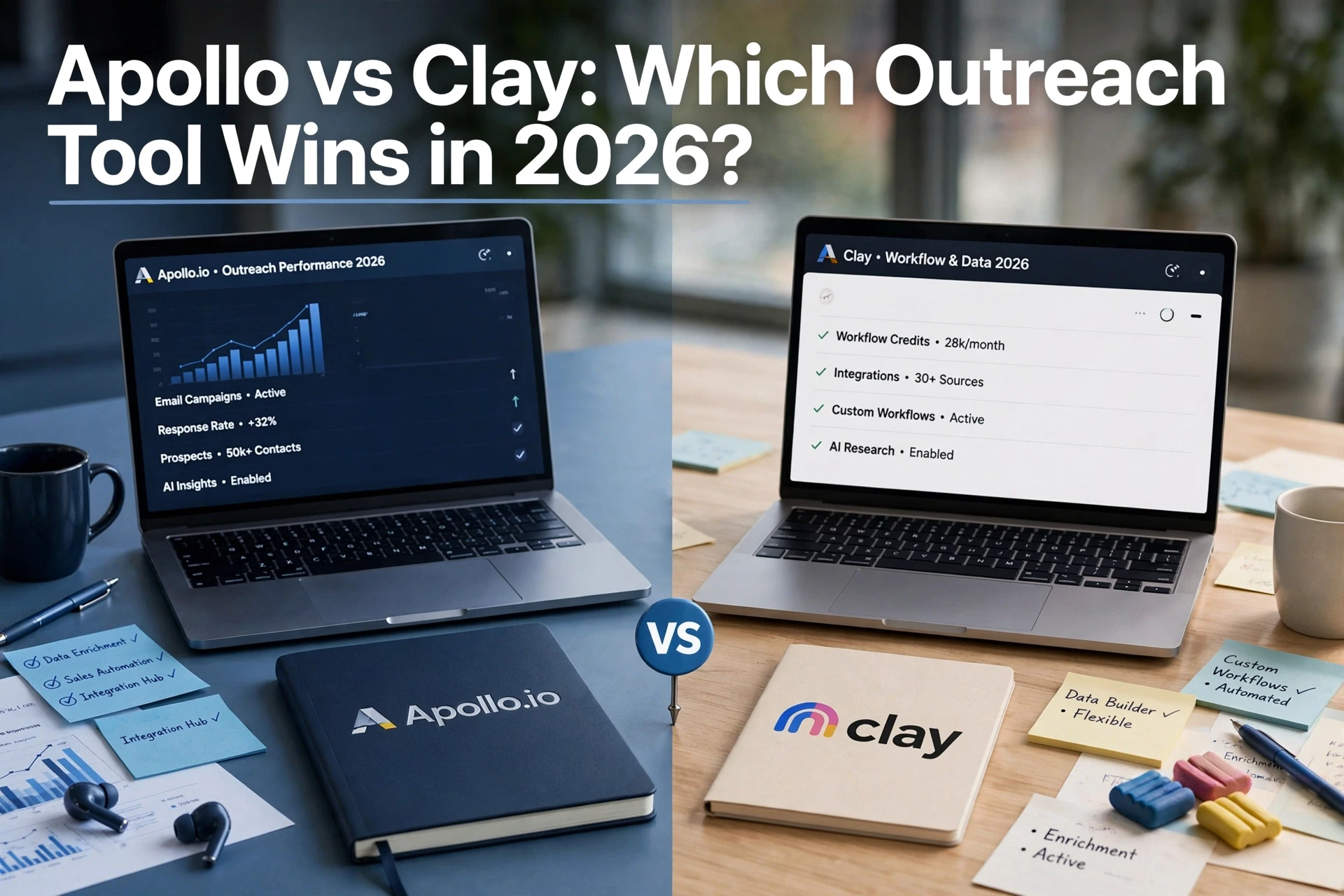
Quick Summary: Apollo is the better fit for a small startup that needs to launch outreach quickly, with a built-in contact database, template-based sequencing, and predictable pricing of about $49 to $119 per seat monthly. Clay wins for teams that need deeper signal-driven personalization, but it requires more setup, technical skill, and metered credits that can double a campaign bill. AgentSDR is the self-hosted alternative for teams that want control over customer data, AI reply classification, and infrastructure costs.
For a two-person startup, Apollo wins today: one subscription covers contacts, sequencing and a light CRM. Clay wins once you need signal-driven personalisation and can afford its build time and per-credit costs. This guide compares both on the four choices that matter for sales engagement for startups: data cost, outreach engine, real campaign spend, and expert time. We focus on what early teams can launch, not enterprise pipelines.
Apollo vs Clay for Startup Sales Teams: At a Glance
| Apollo | Clay | |
|---|---|---|
| Pricing Model | Per-seat subscription, about $49 to $119 per seat per month billed annually, plus a free tier | Subscription plus separate Data Credits and Actions; Launch from about $185 per month, Growth from about $495 |
| Data and Enrichment | Built-in contact database with built-in enrichment, credits consumed per lookup and per action | 150+ data providers, waterfall enrichment and AI research billed per Data Credit or Action |
| Outreach Automation | Native email sequencing, plus AI features, call recording and CRM integrations on higher tiers | Sequencing and campaign sending built in, with most sending volume metered separately |
| Setup Effort | Low, a first sequence can be launched in hours with no external data team | Moderate to high, campaigns are built as workflows that require configuration and testing |
| Best For | Seed to Series A teams that need one tool covering contacts, sequences and pipeline | Teams with a dedicated operator who need signal-based personalisation at scale |
How Apollo and Clay Compare
Apollo
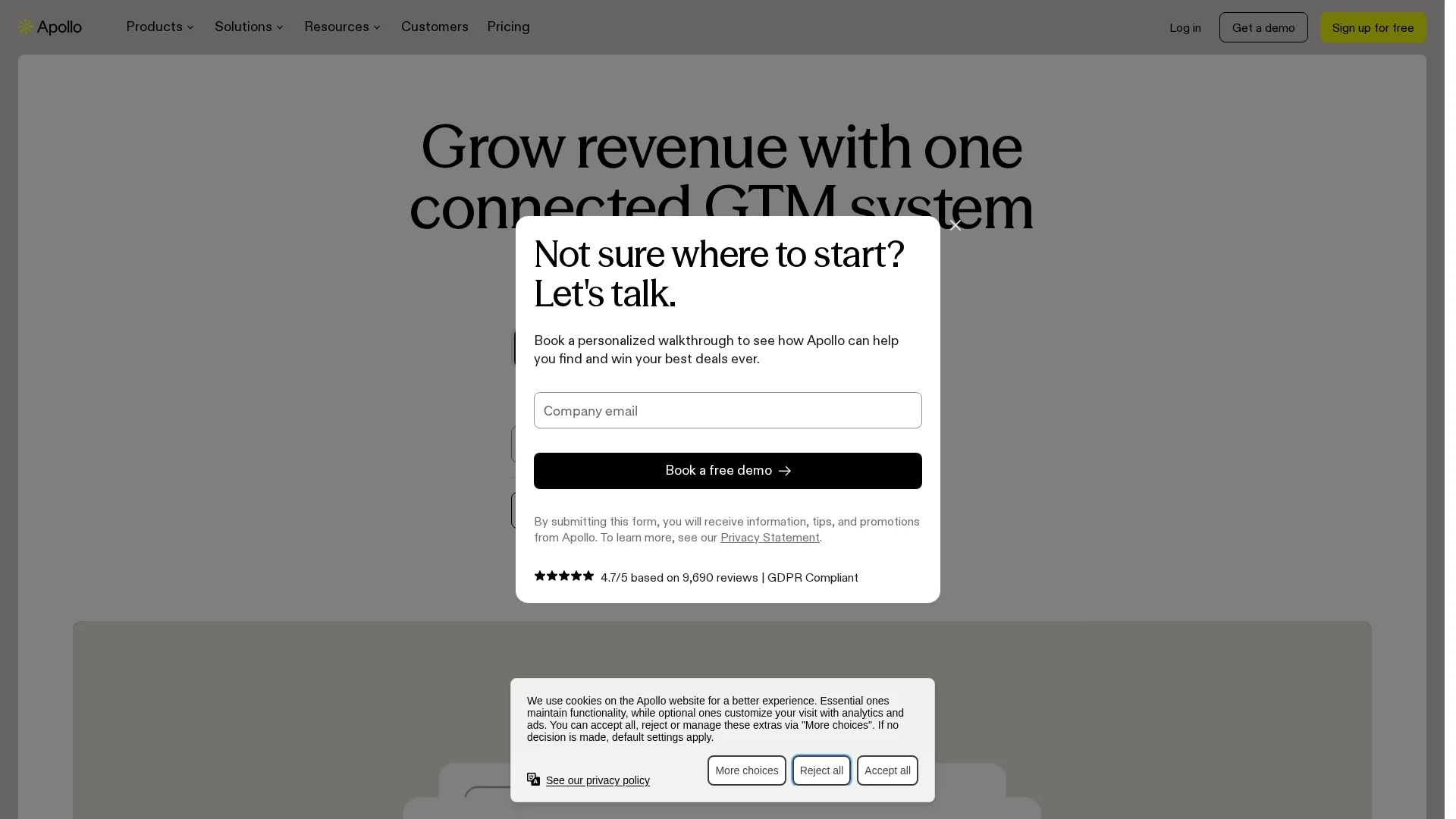
Apollo is an all-in-one sales intelligence and outreach platform, pairing a built-in contact database with email sequencing and pipeline tools. It suits sales engagement for startups that want one tool from day one, with first sequences live in hours. Pricing runs about $49 to $119 per seat per month, billed annually, with a free tier.
Key strengths
- Built-in database and enrichment on one platform
- Low setup effort, no data team required
Clay
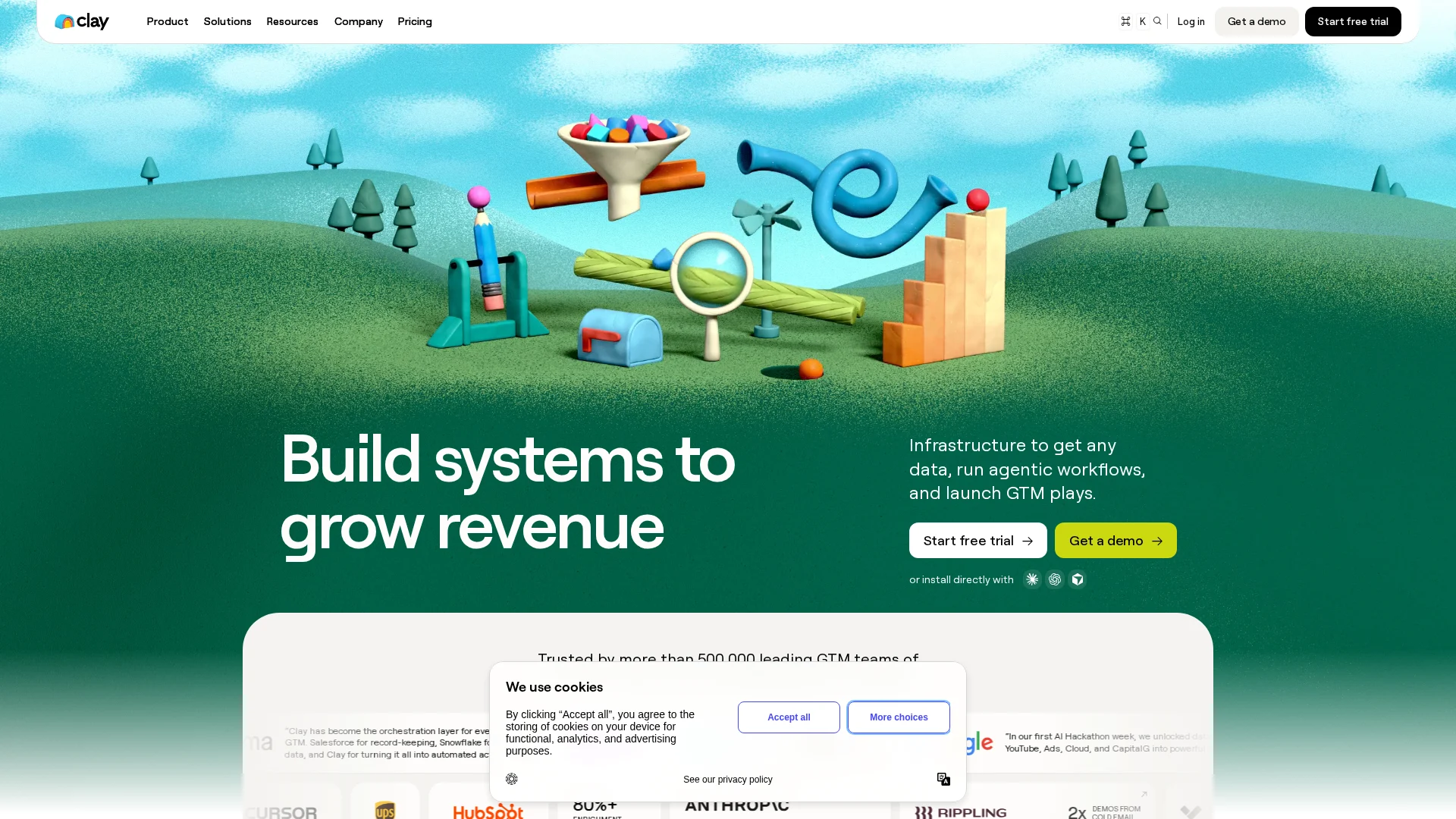
Clay is a data orchestration platform that blends 150+ data providers, AI research and outbound sending in a spreadsheet-style canvas. It fits teams with a dedicated operator who want signal-based personalisation at scale. Plans start around $185 per month, with Data Credits and Actions billed separately.
Key strengths
- Waterfall enrichment across many data sources
- Deep AI research for personalisation
Data Depth Versus a Ready-Made Contact Database
The core difference is simple: Apollo sells a built-in contact database, while Clay blends 150+ data providers into a spreadsheet-style canvas for deeper research. Both serve sales engagement for startups, but they solve different data problems.

When a Built-In Database Beats Waterfall Enrichment
Apollo wins on speed and predictability. Search its database, pull verified contacts, and start sequences in minutes. No credit juggling across providers, so cost per lead stays flat. Clay wins when you need niche, hard-to-find accounts, because waterfall enrichment checks provider after provider for a match. For early-stage teams, a ready-made database plus a self-hosted stack like AgentSDR keeps spend predictable and data under your control.
Sequencing Power and Time to First Campaign
Apollo gets you sending fastest. Its sequence builder is template-driven, so most teams launch their first campaign within hours, while Clay can take 20 to 40 hours of setup to reach production-grade workflows, according to one 2026 comparison.

The Maintenance Trap of Custom Workflows
That Clay setup is not one-time work. Every custom column, formula, and webhook needs babysitting, and when a provider changes its output the whole table breaks. A 2025 guide calls Clay's learning curve steep for exactly this reason. If your team lacks a dedicated ops person, simpler wins. Some teams prefer an open-source setup where sequences live in one workspace and stay theirs.
What a Real Campaign Run Costs a Startup
The Second Charge Nobody Budgets For
Which is cheaper for a startup sales team, Apollo or Clay? Apollo, on subscription alone: about $49 to $119 per seat monthly, while Clay starts near $185 plus metered credits. But run a real campaign and Clay's costs climb: every lookup, enrichment and AI action burns credits, so 5,000 verified leads can double your bill.
Apollo credits drain too, just slower.
Budget for both: seats plus credits. Teams that want flat costs often switch to an open-source sales outreach platform and pay only infrastructure.
Which Should You Choose: Apollo or Clay?
Pick Apollo if you want a fast, cheap start: a built-in contact database, template-driven sequences and predictable per-seat pricing. Pick Clay if your team has the budget and the technical skill to build deep research workflows and waterfalled enrichment.
When to Look Beyond Both
Both tools are cloud platforms, so your customer data and AI spend stay on someone else's servers. Teams that need self-hosting, predictable costs or control over how AI classifies replies have a third option. An open-source sales engagement platform like AgentSDR puts sequences, LinkedIn and an AI-powered CRM in one workspace you host yourself. That matters most for early-stage teams in India managing sensitive buyer data.
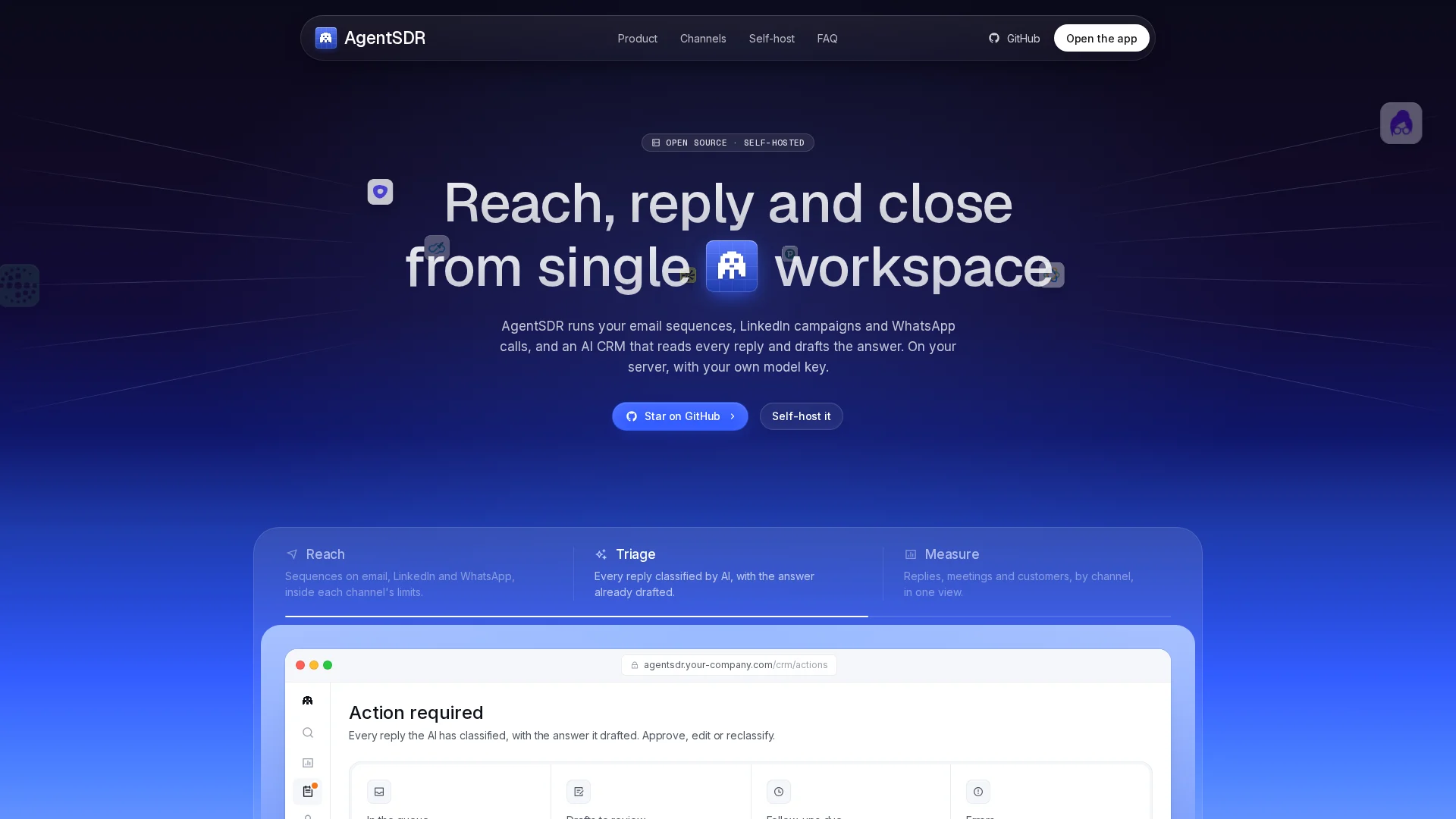
If per-seat bills and metered credits don't fit your budget, self-host instead. AgentSDR keeps your data and spend under your control. Try it free today.
Frequently Asked Questions
Q1: How do Apollo and Clay compare as sales outreach software for startups?
Apollo suits fast starts with per-seat pricing from about $49 to $119 monthly. Clay wins on deep personalisation but needs setup time and metered credits. Choose by budget, data depth and operator skill.
Q2: Are Clay credits more expensive than Apollo credits in practice?
Yes, usually. Clay bills every lookup, enrichment and AI action, so real campaigns can double your bill. Apollo credits drain too, just slower, making cost per lead more predictable.
Q3: Can I use Clay and Apollo together?
Some teams do: Clay for lead enrichment and research, Apollo for sequencing. It works, but you pay two subscriptions plus credits, so weigh that against one tool with predictable spend.
Q4: What if I need self-hosting and predictable costs?
Both are cloud platforms, so your data lives on their servers. An open-source sales outreach platform like AgentSDR keeps email, LinkedIn and CRM in a workspace you host, with flat infrastructure costs.
Conclusion
Apollo wins on speed and predictable per-seat pricing; Clay wins on deep, signal-driven personalisation. Compare Clay credits vs Apollo credits against your team's setup time, then pick the startup outbound sales stack that fits your budget and operator skill.