Attio Review: A CRM Built for Modern Outbound Teams
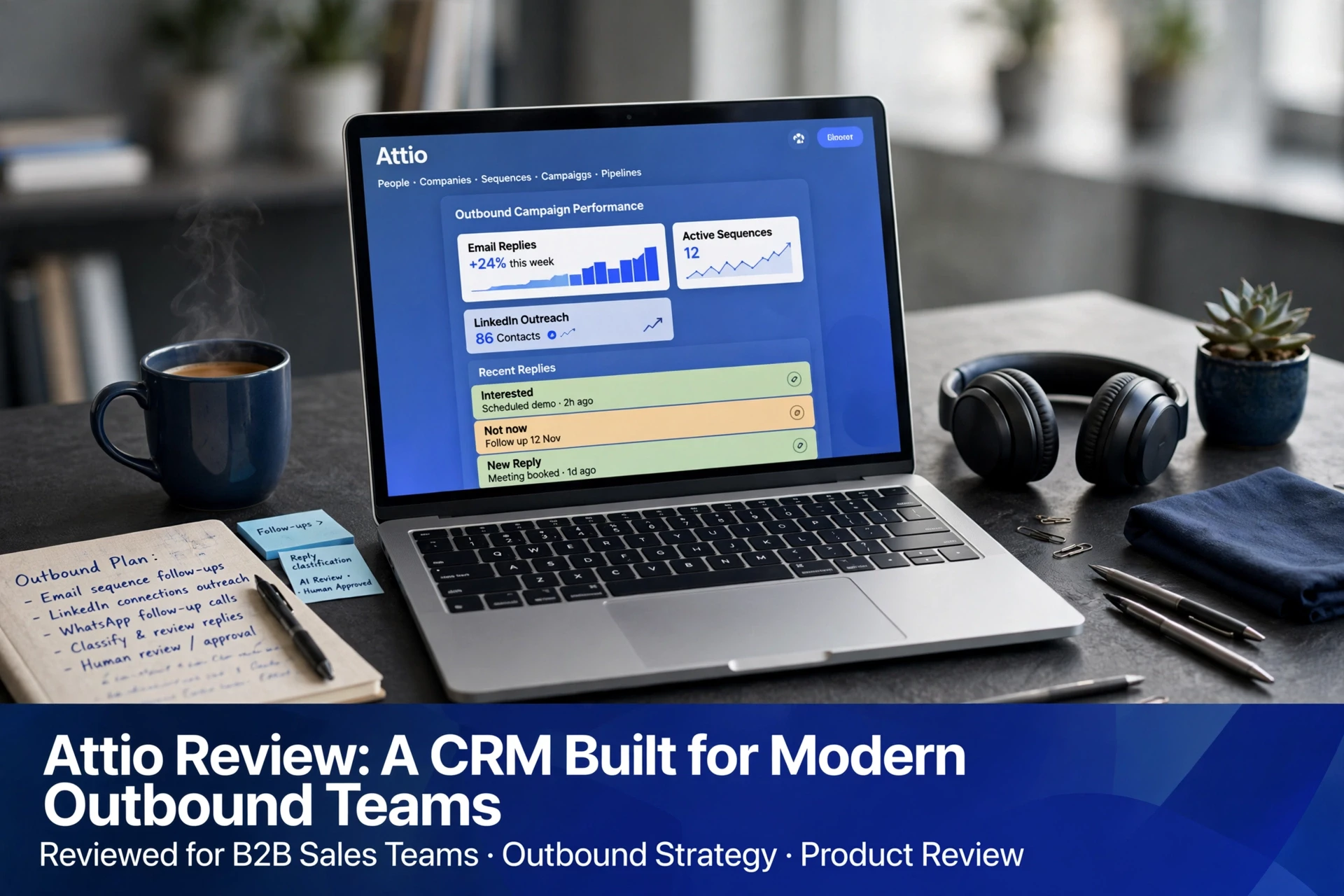
Quick Summary: Attio is well suited to signal-driven B2B outbound teams because its flexible objects, real-time lists, saved segments, enrichment, and email sync make contact management fast and adaptable. Its main drawbacks are shared metered credits, seat caps that force teams beyond 10 users onto Pro, and cloud-only hosting that limits data ownership and raises costs at scale. Teams wanting self-hosted control and predictable pricing should consider an open source CRM such as AgentSDR before committing.
Outbound is where B2B contact management either flexes or breaks. A rep needs 400 enriched accounts, filtered on hiring signals, minus anyone already contacted, built in minutes. Most CRMs make you engineer that list. This review tests whether Attio's data model handles real B2B contact management, what its pricing and credits actually cost, and when an open source CRM alternative fits better.
How Attio Handles B2B Contact Management
Attio structures contact data like a database, not a spreadsheet with contact columns. That choice shapes everything about how it handles B2B contact management, from enrichment to list building.
Objects, Records and Attributes: The Contact Data Model
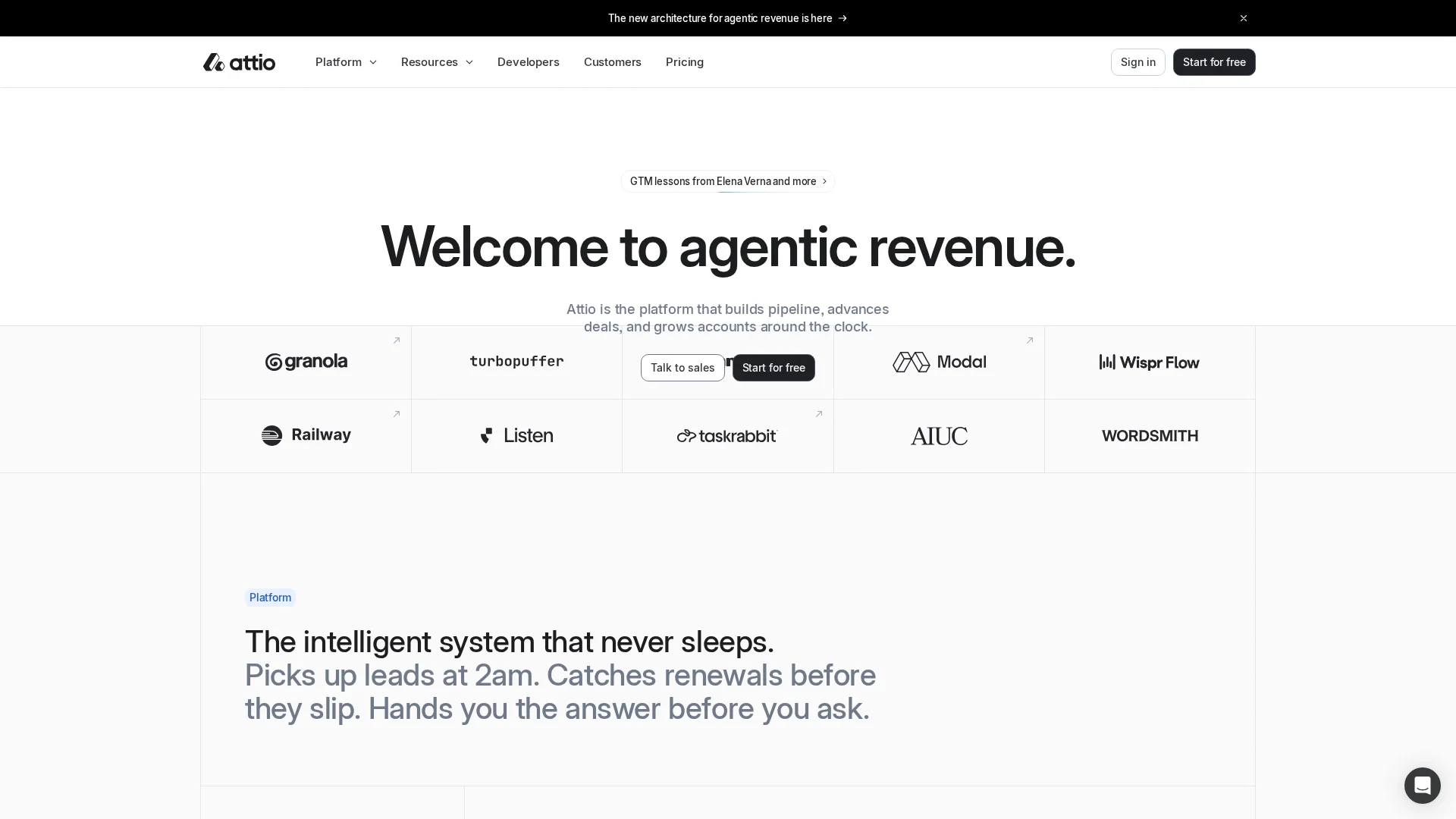
Attio's model has four parts: objects, attributes, records and lists. Objects act as your tables, such as People or Companies, while attributes work like column titles and records are individual rows, as explained in this Attio data model breakdown. You can also build custom objects, so a deal or investor type fits your workflow. If you're weighing a self-managed CRM for lead tracking, this flexibility matters most.
Lists, Views and Segmenting for Outbound
Lists are where outbound work happens. Drop records into a list, then filter and group them as table, board or gallery views. List attributes apply only to that list, so you can add outreach notes without touching the underlying record. Hiring-signal filters, owner assignments and saved segments all live here.
Enrichment and Sync: What Comes In for Free
Sync your email and calendar and Attio populates People and Company records automatically, pulling in enriched firmographics and interaction history. The catch: deeper enrichment uses metered credits, which the pricing section covers next.
Pricing, Limits and the Credit System
Attio's seat price is only half the bill for an outbound team. Here is what each plan actually costs and where the limits hit.
Plan Tiers and What Each One Unlocks
As of late 2026, Attio charges $0 on Free (up to 3 seats), $35 per user per month on Plus and $79 on Pro, billed annually, with Enterprise priced by sales. Monthly billing runs $44 and $99, per SuperDupr's breakdown.
| Plan | Annual per user | Seats | Records | Objects | Credits | Emails/mo |
|---|---|---|---|---|---|---|
| Free | $0 | Up to 3 | 50,000 | Up to 3 | 250 workspace | 200 |
| Plus | $35 | Up to 10 | 250,000 | Up to 5 | 1,500 workspace | 1,000 |
| Pro | $79 | Unlimited | 1,000,000 | Up to 12 | 10,000 workspace | Unlimited |
| Enterprise | Custom | Unlimited | Custom | Unlimited | Custom | Unlimited |
Records, Objects and Email Limits That Bite Outbound Teams
Free caps you at 50,000 records, 3 objects and 200 sent emails a month. Plus lifts that to 250,000 records, 5 objects and 1,000 emails; Pro gives 1,000,000 records, 12 objects and unlimited sending. The sleeper limit is seats: Plus stops at 10, so hiring an eleventh rep moves the whole team to Pro, a jump of hundreds of dollars, not one seat price.
How Credits Affect the Real Cost
Workflows and AI run on credits. Every step that writes data, calls an API or uses AI costs one or more credits from a shared workspace pool, and packs start at $70 for 5,000. That credit metering, not the seat price, is what makes teams compare an open source, self-hosted CRM where automation carries no per-run fee at all.
Pros and Cons for Outbound Contact Teams
Where Attio Works Well
Attio shines at B2B contact management. Its flexible data model lets you model companies, people and deals the way your outbound motion actually runs. Lists and views update in real time, email sync is solid, and enrichment keeps records fresh without manual cleanup. SDR teams moving fast will feel the difference in days.

Where It Falls Short
Credit metering stings at scale. Every enrichment or API write draws from a shared pool, so costs climb quietly. Attio cannot be self-hosted, so data ownership stays with the vendor, unlike an open source CRM you control. The Plus seat cap also forces an early jump to Pro.
Is Attio Worth It for B2B Contact Management?
Yes, if your team lives in enriched, signal-driven outbound. Attio fits when you need flexible data models, fast Attio lists and views, and real-time email sync. Watch the caveats: seats cap out per tier, credit metering raises the effective price, and heavy workflows can drain your shared pool.

Who Should Choose Attio
Pick Attio if you run signal-based outbound at a VC-backed startup, need a modern system of record with enriched contact data, and value speed of setup. RevOps teams that filter hundreds of accounts on hiring signals will feel at home. Just model the credit cost first.
When to Look at an Open Source CRM Instead
If you need self-hosted outreach with data ownership, an open source outbound platform bundles sequences, calls and CRM without per-credit billing. Teams watching total cost of ownership, or those past 10 seats on Plus, should compare an open source CRM alternative before committing.
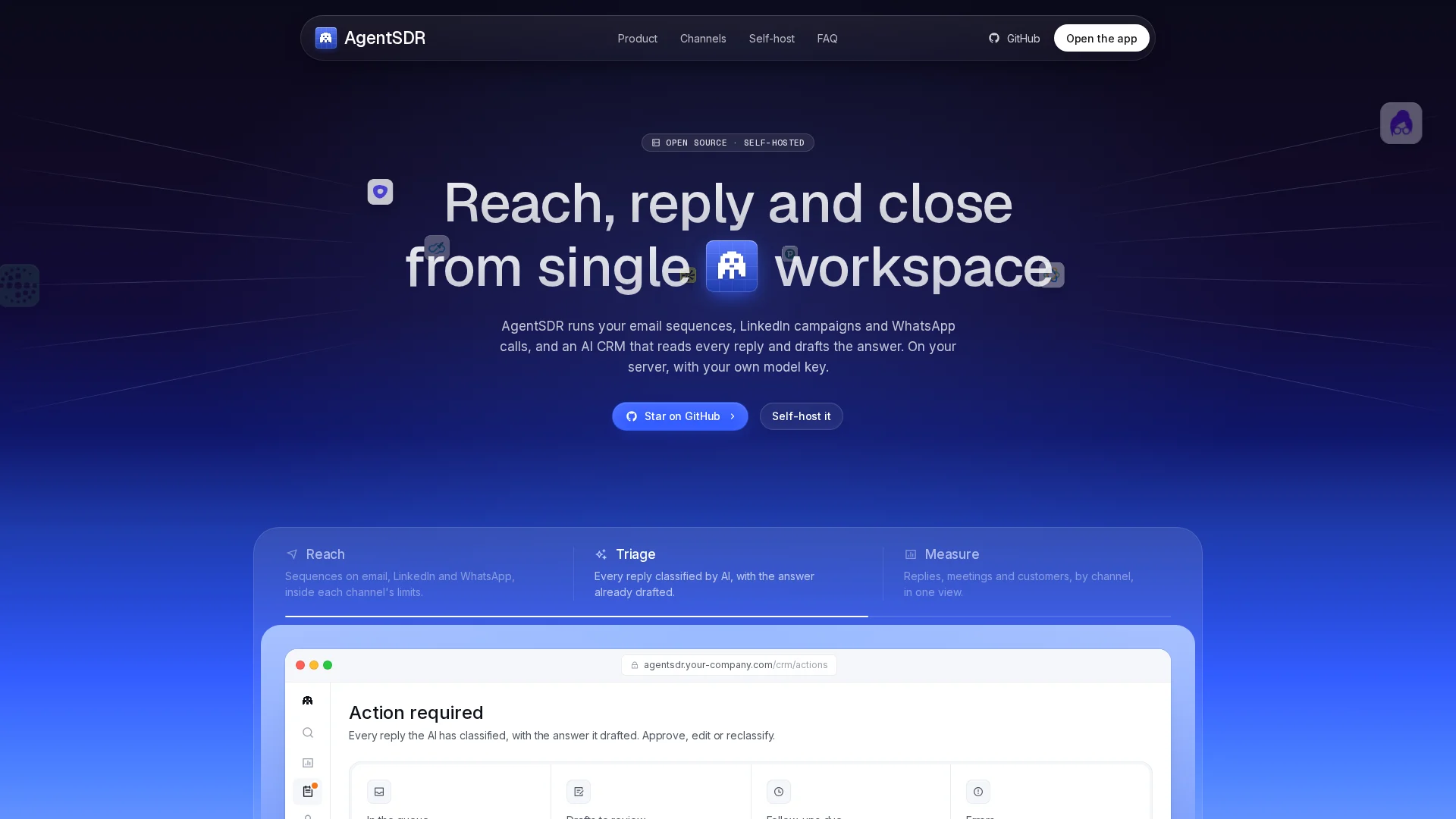
If Attio's seat caps and credit costs worry you, see how AgentSDR fits. It's open source and self-hosted, so your data stays yours. Compare its outbound workflows against this review, then pick what your team can afford to scale.
Frequently Asked Questions
Q1: Is Attio a good fit for outbound contact management workflows?
Yes. Its B2B contact management model, saved segments and real-time lists handle signal-driven outbound well. Model credit metering and seat caps first, since heavy workflows raise the effective price.
Q2: How much do Attio credits really cost?
Workflows and AI draw from a shared pool; packs start at $70 for 5,000 credits. At scale, this can exceed the seat price.
Q3: Can you self-host Attio?
No. Attio is cloud-only, so data ownership stays with the vendor.
Q4: What happens when you exceed Attio's record or email limits?
You upgrade. Plus caps records at 250,000 and emails at 1,000 monthly; Pro lifts both.
Conclusion
Attio handles B2B contact management well: flexible objects, real-time lists and solid email sync. But credit metering, seat caps and cloud-only hosting raise costs at scale. Teams needing self-hosting should weigh an open source CRM alternative before committing.